
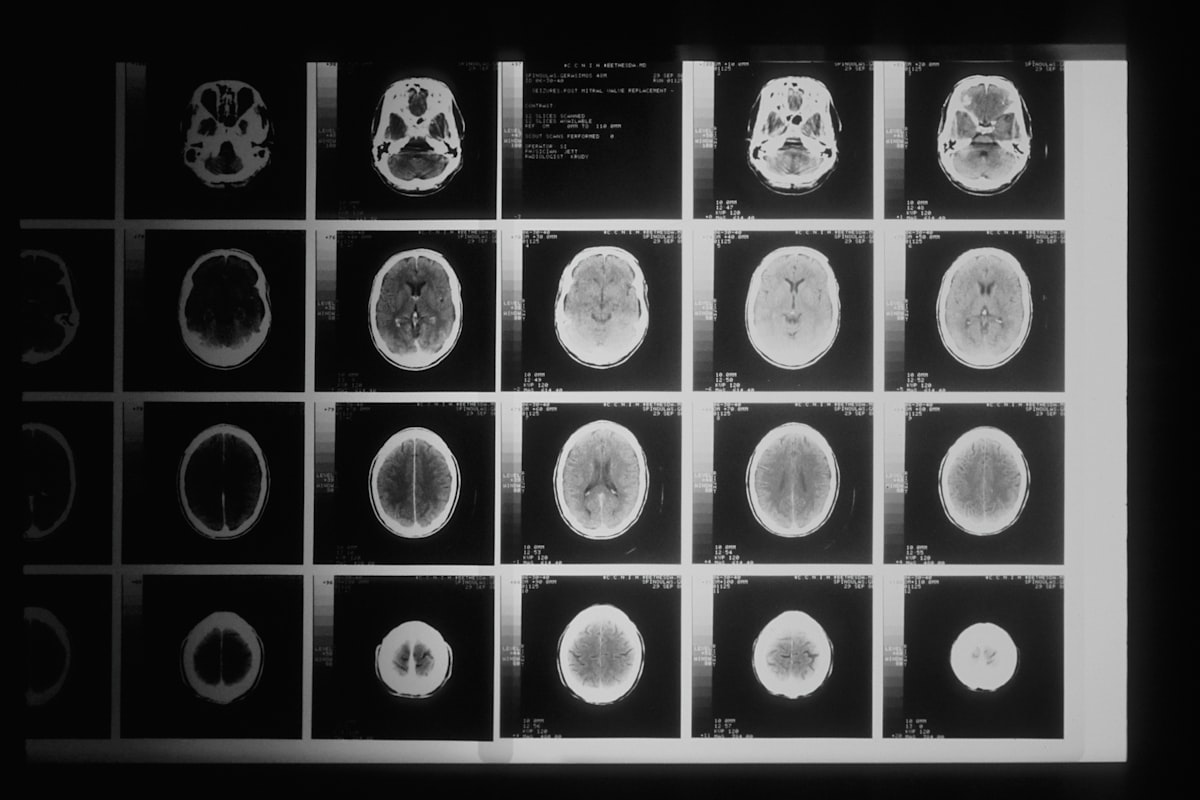
Glioma — especially grade IV glioblastoma (GBM) — is widely considered one of the hardest malignant tumors in medicine to overcome. It has no clear boundary, infiltrating brain tissue like tree roots, and the traditional "three-pronged" approach of surgery, radiotherapy, and chemotherapy often can't prevent rapid recurrence after treatment. When glioma recurs, many patients find themselves in a difficult position with few remaining treatment options in their home country. Japan has now become the first country to approve two related treatment technologies, offering new approaches to this world-class medical challenge.
The World's First Approved Oncolytic Virus Drug
When glioma recurs, the blood-brain barrier makes it difficult for conventional chemotherapy drugs to reach and act within the brain. Japan has achieved a breakthrough in this area — Delytact (G47Δ), the world's first oncolytic virus drug approved for treating recurrent malignant glioma, has been formally approved and brought to market in Japan, and is covered by national health insurance.
Delytact is a genetically modified herpes virus that doctors inject directly into the brain tumor via minimally invasive puncture. It replicates only inside cancer cells, dissolving and destroying them from within; at the same time, the antigens released when cancer cells rupture activate the patient's own immune system, triggering a secondary immune attack on any remaining cancer cells. In Japanese clinical trials, patients with recurrent glioma treated with Delytact achieved a one-year survival rate of 92.3%. Oncolytic virus research in many other countries remains largely in early-stage clinical trials, with no product yet formally approved for recurrent malignant glioma.
Second-Generation Photodynamic Therapy (PDT), Now a Standard Part of Surgery
Glioma surgery is an extremely delicate balancing act: too small a resection risks recurrence, while too large a resection risks causing paralysis or speech loss. To remove as much cancerous tissue as possible while preserving brain function, Japan was the first to standardize second-generation photodynamic therapy (PDT) as part of the neurosurgical procedure itself.
Before surgery, patients are injected with "Lasallphine" (talaporfin sodium), a second-generation photosensitizer developed in Japan, which selectively accumulates in brain tumor cells. After the surgeon removes the visibly identifiable tumor, a weak laser of a specific wavelength is used to illuminate the surgical cavity; the activated photosensitizer releases reactive oxygen species that precisely eliminate tiny residual cancer cells scattered among healthy brain tissue, with minimal damage to surrounding healthy speech and motor nerves. Compared with the first-generation photosensitizer, which required patients to avoid all light for a full month, the second-generation agent metabolizes faster, requiring only a few days of light avoidance after surgery. Many countries currently lack an approved, imported second-generation photosensitizer specifically for brain tumors in neurosurgery, and this technique has not yet become a standard, insurance-covered clinical therapy elsewhere.
Exceptional Preservation of Function During Surgery
Beyond these two technologies, Japan is also a global leader in the precision of neurosurgical technique. For gliomas growing near the brain's speech and motor centers, Japan has widely adopted awake surgery (with the patient conscious under regional anesthesia) and intraoperative real-time MRI (iMRI) navigation, aiming to remove the tumor while preserving the patient's speech and motor function as much as possible after surgery.
What We Can Do for You in Seeking Treatment for Glioma in Japan
Treating glioma is a race against time — the precision of the initial surgery and the timing of advanced therapy after recurrence both directly affect a patient's prognosis. MIZUHO PHARMA can help connect you with authoritative Japanese medical institutions that have mastered these technologies, offering an international remote consultation (to assess suitability for oncolytic virus therapy or intraoperative photodynamic surgery) and full support throughout an overseas referral, including professional translation of medical records, specialist booking, and in-person accompaniment in Japan.