Understanding Japan's standing in global medicine is the first step toward deciding on treatment there
Japan has spent decades building deep expertise in medical research and clinical practice, accumulating world-leading technical strength across specialties including cancer surgery, regenerative medicine, and reproductive medicine. Its rigorous medical quality management system, mature multidisciplinary case-conference culture, and relentless pursuit of precision have made Japan a leading destination for patients with complex or difficult-to-treat conditions.
Japan's Ministry of Health, Labour and Welfare enforces a strict tiered system for classifying medical institutions, with clearly defined roles and well-coordinated referral pathways between hospital types. International patients typically gain efficient access to the specialty hospitals or university hospitals best suited to their condition through a professional coordination service.
At the policy level, Japan became the first country in the world to bring regenerative medicine under a dedicated legal regulatory framework in 2014, providing a solid foundation for the compliant delivery of cutting-edge therapies such as stem cell treatment. On drug approvals, Japan's regulatory agency, the PMDA, is among the fastest-moving of the world's major drug regulators — giving patients earlier access to innovative therapies in clinical use.
hospitals nationwide, among the highest density of medical resources in the world
Long-standing world leader in 5-year survival rates for gastric and esophageal cancer
Da Vinci surgical robots installed in Japanese hospitals — roughly half of the global total
Japan consistently ranks among the world's fastest countries for new drug approvals
Understanding the tiers and types of Japanese hospitals helps you choose the institution best suited to your needs
大学病院
Operated directly by major medical schools, these hospitals bring together top medical researchers and clinical specialists, equipped with the most advanced medical technology, and handle complex and difficult cases. The University of Tokyo Hospital, Keio University Hospital, and Juntendo University Hospital all fall into this category, and are among the top choices for international patients seeking treatment in Japan.
がん専門病院
Institutions dedicated exclusively to cancer diagnosis and treatment, with deep clinical data and consistently high surgical volumes and cure rates. The Cancer Institute Hospital of the Japanese Foundation for Cancer Research and the National Cancer Center are internationally renowned for their outstanding treatment outcomes in gastrointestinal cancers, breast cancer, and more.
国立病院
Directly managed and funded by the Japanese government, these institutions carry out research and treatment for major diseases and hold significant academic authority. The National Center for Global Health and Medicine (国立国際医療研究センター / NCGM) is the most representative example — well known for accepting international patients and providing high-standard cross-border medical services, offering large numbers of patients with complex conditions standardized, evidence-based treatment each year.
総合病院
Multi-department hospitals capable of managing complex conditions that span multiple specialties, well suited to patients who need coordinated care across departments. Well-known general hospitals such as St. Luke's International Hospital and Toranomon Hospital are widely recognized for their meticulous international patient services and broad clinical capabilities.
再生医療専門クリニック
Specialty clinics focused on stem cell therapy, PRP therapy, and other regenerative treatments, operating in compliance with Japan's 2014 Act on the Safety of Regenerative Medicine and offering regulator-approved regenerative medicine services — the main option for patients seeking stem cell therapy.
生殖医療専門クリニック
Clinics specializing in infertility diagnosis and assisted reproductive technology, subject to strict certification by the Japan Society of Obstetrics and Gynecology's reproductive medicine standards. Japan's IVF technology is mature, with several assisted-reproduction indicators among the best in Asia — an important option for patients who haven't had success with treatment elsewhere.
The hospitals below are all leading authorities in their respective fields — click through to visit each hospital's official website
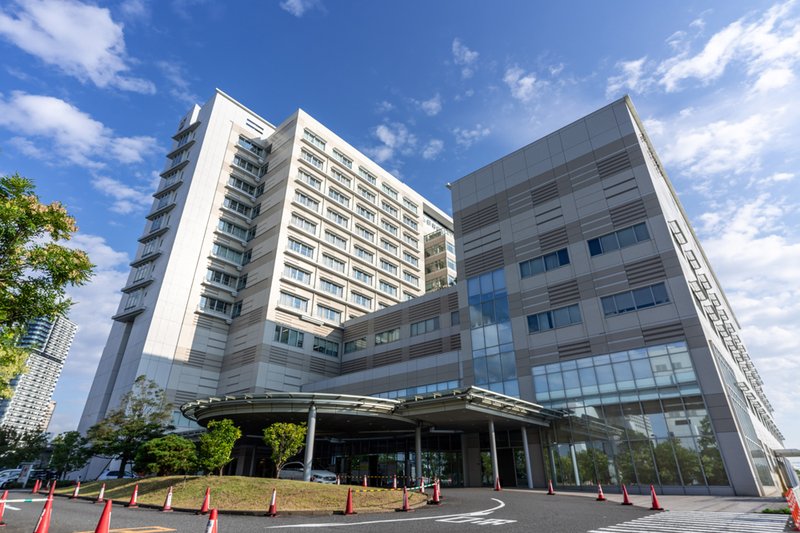
がん研有明病院
📍 Koto, Tokyo
One of Japan's largest specialty cancer hospitals, with surgical volume and 5-year survival rates for gastrointestinal cancers among the best in Japan, treating a large number of international patients each year.
GI cancers / Breast cancer / Gynecologic cancers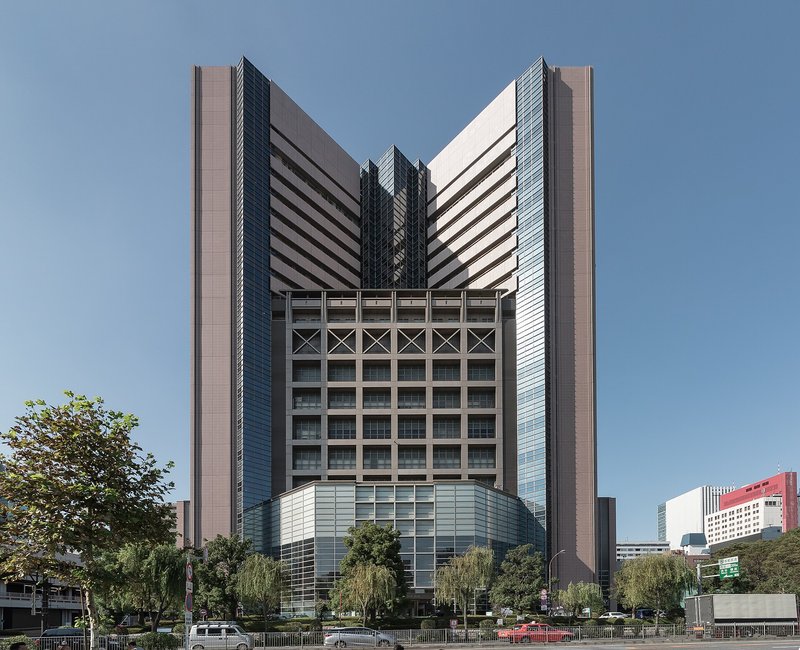
国立がん研究センター
📍 Chuo, Tokyo
A national cancer institution under the Japanese government, and the principal author of Japan's cancer treatment guidelines, with clinical research on liver, pancreatic, lung, and other cancers at the international forefront.
All cancer types / Clinical research / New drug trials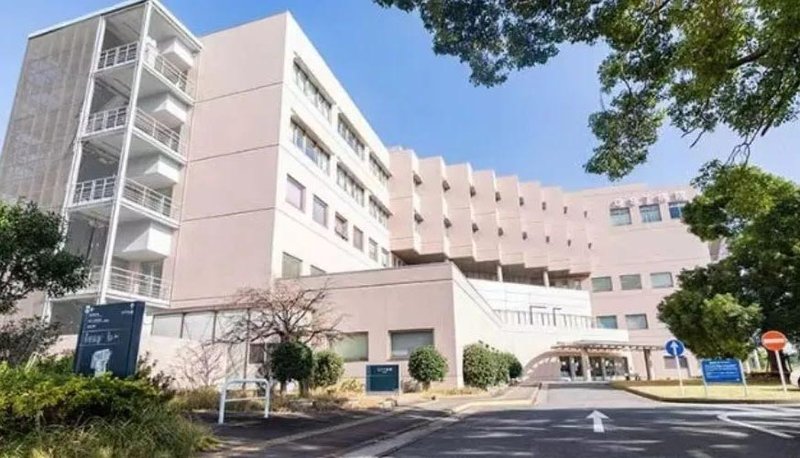
QST病院
📍 Chiba City, Chiba Prefecture
A world-leading heavy-ion therapy specialty hospital that has treated several thousand patients, with strong outcomes for head and neck cancer, prostate cancer, and bone and soft tissue tumors, and fewer side effects than conventional radiotherapy.
Heavy-ion therapy / Head & neck cancer / Prostate cancer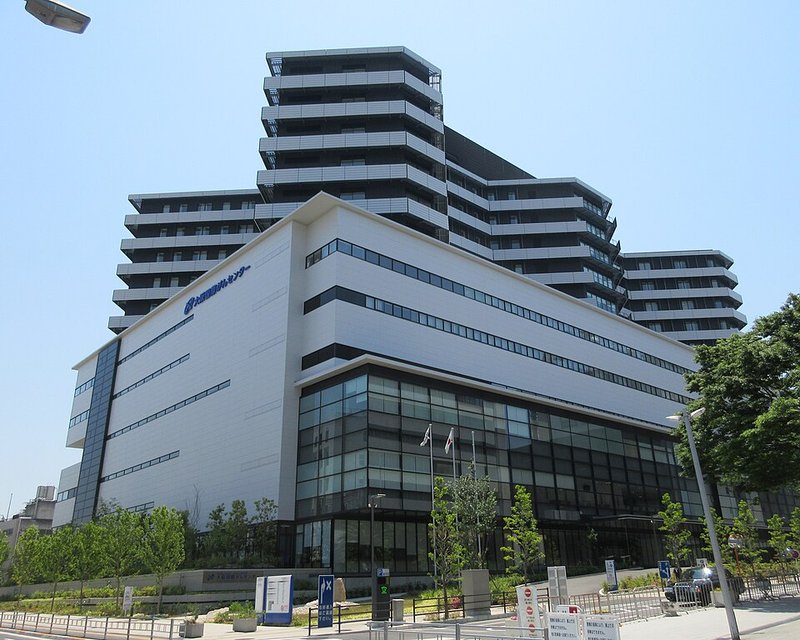
大阪国際がんセンター
📍 Osaka City, Osaka
The leading cancer specialty hospital in the Kansai region, with deep experience in gastrointestinal, urological, and hematological cancers, and a well-developed international patient service system.
GI cancers / Urological cancers / Hematologic cancers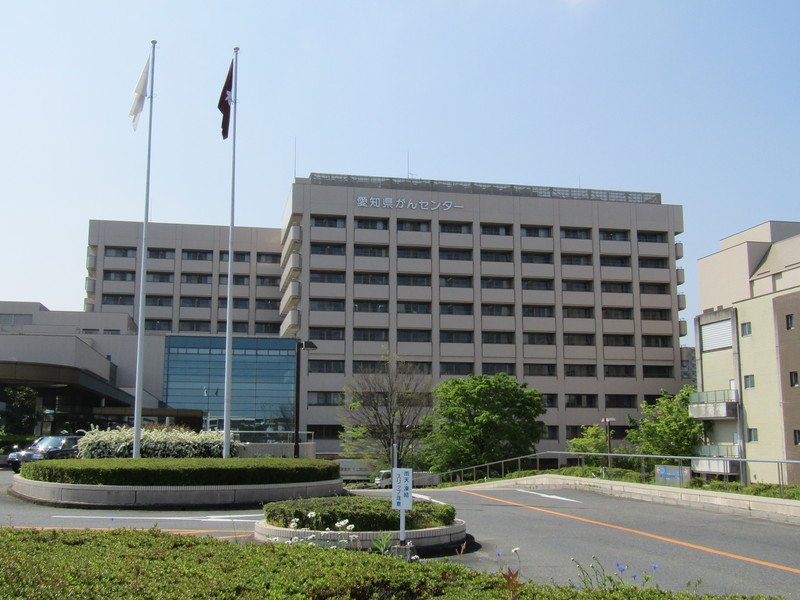
愛知県がんセンター
📍 Nagoya City, Aichi Prefecture
A leading cancer specialty institution in the Chubu region, with extensive experience in surgical and comprehensive treatment of lung cancer, breast cancer, and gynecologic cancers, backed by a substantial body of clinical data.
Lung cancer / Breast cancer / Gynecologic cancers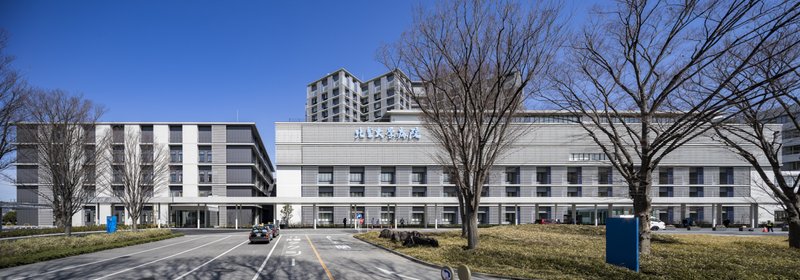
北里大学病院
📍 Sagamihara, Kanagawa Prefecture
Known for strong surgical expertise in gastrointestinal cancer and hepatobiliary-pancreatic surgery, actively adopting robotic and other minimally invasive techniques to continually improve treatment precision.
GI cancer / Hepatobiliary-pancreatic surgery / Robotic surgery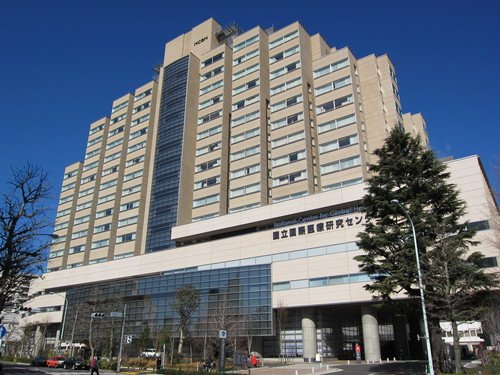
国立国際医療研究センター(NCGM)
📍 Shinjuku, Tokyo
One of Japan's six national medical research centers, known for accepting international patients and addressing cross-border medical needs including infectious and tropical disease. Its International Medical Care Department has extensive experience coordinating care across languages, making it an important point of entry for foreign patients seeking treatment in Japan.
National authority / International patients / General medicine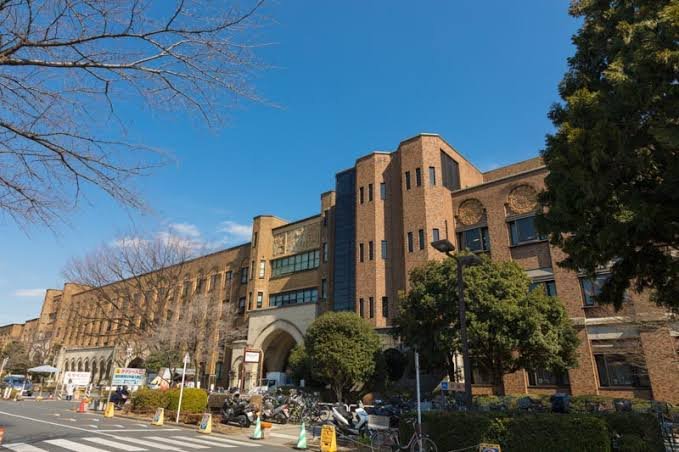
東京大学医学部附属病院
📍 Bunkyo, Tokyo
Japan's top-ranked university hospital overall, with excellence across nearly every clinical department, particularly known for its handling of complex and difficult cases, neurosurgery, and advanced surgical procedures.
Overall top-tier / Complex cases / Neurosurgery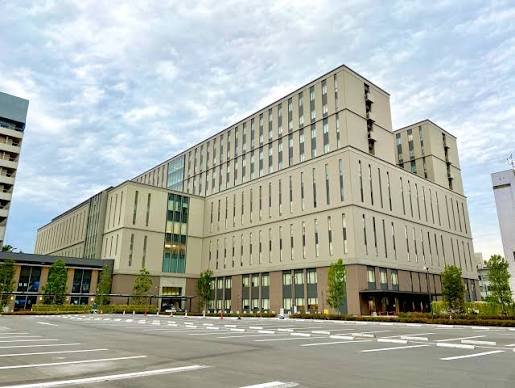
慶應義塾大学病院
📍 Shinjuku, Tokyo
One of the oldest private medical school hospitals in Japan, a national leader in endoscopic surgery, with a dedicated International Medical Center and a well-established system for receiving international patients.
Endoscopic surgery / GI medicine / International care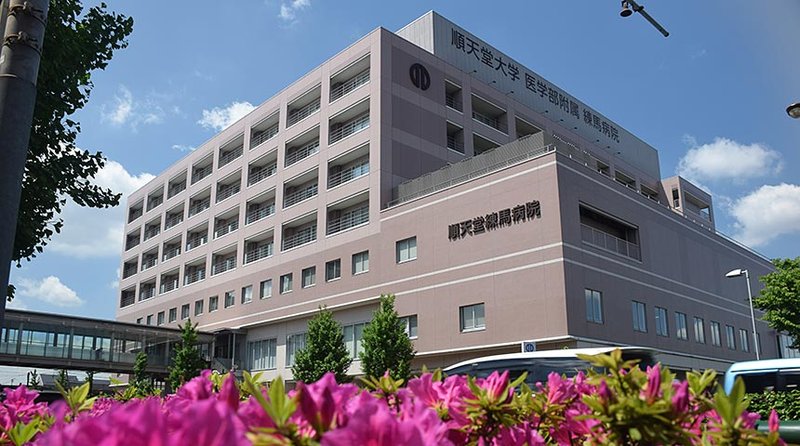
順天堂大学医学部附属順天堂医院
📍 Bunkyo, Tokyo
Known for excellence in cardiac surgery, thoracic surgery, and minimally invasive lung cancer surgery, with several internationally recognized oncologic surgeons — a benchmark hospital in Japan across multiple top specialty fields.
Lung cancer / Cardiac surgery / Neurology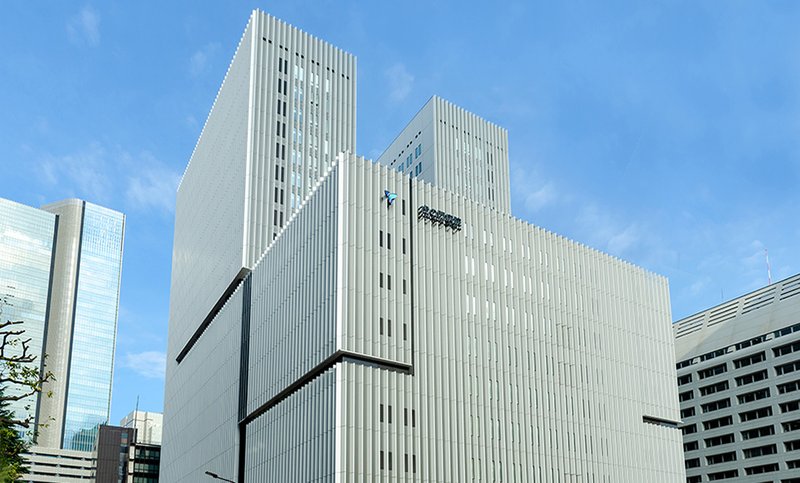
虎の門病院
📍 Minato, Tokyo
A well-known general hospital with deep experience in colorectal cancer surgery, a well-organized process for international patients, and comprehensive medical translation and coordination support, well suited to patients traveling from across Asia.
Colorectal cancer / GI surgery / International patients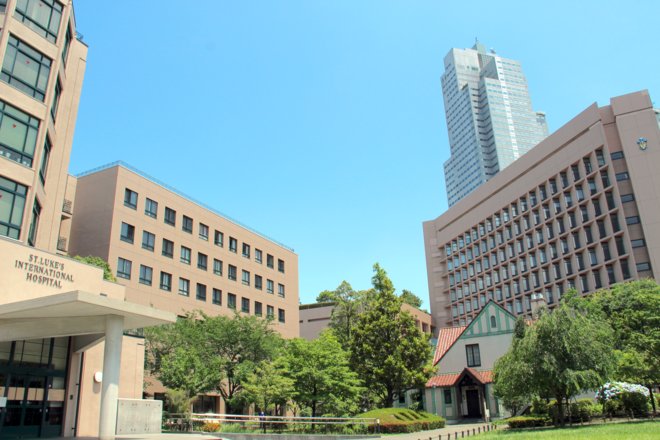
聖路加国際病院
📍 Chuo, Tokyo
Consistently ranked among Japan's top hospitals overall, with a high degree of internationalization, known for excellent general care and detail-oriented patient service; its International Medical Care Department supports multiple languages.
Overall top-tier / International care / General medicine
加藤レディスクリニック(KLC)
📍 Nishi-Shinjuku, Shinjuku, Tokyo
Founded in Shinjuku in 1993, this is one of Japan's most experienced IVF clinics by treatment volume, having helped bring more than 70,000 babies into the world. Its core philosophy centers on "natural-cycle and low-stimulation" IVF, minimizing the use of ovarian stimulation medication to reduce the physical and emotional burden on patients as much as possible. The clinic operates 365 days a year.
IVF / Natural-cycle IVF / Fertility treatment
再生医療等提供機関(認定)
📍 Located in major cities including Tokyo, Osaka, and Nagoya
Regenerative medicine institutions certified by Japan's Ministry of Health, Labour and Welfare under the Act on the Safety of Regenerative Medicine, offering compliant stem cell therapy, PRP therapy, and related services. MIZUHO PHARMA matches patients with an appropriately certified clinic based on their specific needs.
Stem cell therapy / Anti-aging / Chronic condition management
日本生殖医学会認定医療機関
📍 Tokyo, Kanagawa, Osaka, and other locations
Fertility specialty clinics certified by the Japan Society for Reproductive Medicine, offering a full range of assisted reproductive services including IVF, egg freezing, and embryo transfer, with extensive clinical experience treating Asian patients.
IVF / Egg freezing / Fertility treatment* The hospital information above is for reference only. MIZUHO PHARMA recommends the institution best suited to each patient's specific condition, budget, and schedule — not every hospital listed is right for every patient.
These are the fundamental reasons Japanese medicine has earned the trust of international patients
Japan's leading hospitals widely practice multidisciplinary case conferences — specialists from surgery, internal medicine, radiology, pathology, and other departments jointly review each patient's specific situation to develop the optimal, personalized treatment plan, avoiding the limitations of a single-department perspective.
Japan's medical culture is deeply shaped by a spirit of craftsmanship, with physicians relentlessly refining their technique and surgical precision. In gastrointestinal surgery, for example, leading Japanese surgeons routinely achieve lower blood loss and complication rates than the international average — a level of precision that carries through diagnosis, surgery, and post-operative care alike.
Japanese medical institutions place a strong emphasis on patient privacy — private hospitals in particular provide dedicated consultation rooms and private waiting areas to prevent medical information from being disclosed. For patients who prefer their medical situation to remain confidential from their home community, this is a meaningful added benefit of traveling to Japan for treatment.
Japan's substantial investment in medical research allows lab breakthroughs to reach clinical application quickly. Japan is home to more proton and heavy-ion therapy facilities than anywhere else in the world, and the Nobel Prize-winning discovery behind PD-1 immune checkpoint inhibitor therapy (the basis for the drug known as "Opdivo") came from Japanese scientist Tasuku Honjo — technologies like these also see faster clinical adoption in Japan than in most countries.
A growing number of Japan's leading hospitals maintain dedicated international medical centers staffed with multilingual coordinators experienced in supporting patients from a range of cultural backgrounds. Combined with Japan's long tradition of welcoming patients from across the world, international patients generally find it easier to adapt to receiving care in Japan than in many Western countries.
Japan's Ministry of Health, Labour and Welfare enforces strict entry requirements and ongoing oversight of medical institutions, with a low rate of medical errors and a mature system for handling medical disputes. Japan has also established a dedicated legal regulatory framework for emerging fields such as regenerative medicine, effectively reducing the risks that can arise in the absence of proper oversight.
Understanding the basics below will help you prepare thoroughly before traveling to Japan for treatment
Japan's top hospitals typically require advance booking, and wait times through standard channels can run several months. Working with a professional coordination service like MIZUHO PHARMA, which draws on established hospital relationships, can significantly shorten this timeline — some urgent cases can secure an appointment within just a few weeks.
Treatment in Japan typically requires: existing imaging (CT/MRI/PET-CT discs), pathology reports, blood test results, and discharge summaries. Japanese hospitals require these documents to be translated into Japanese in a specific format. MIZUHO PHARMA provides professional translation and organization of your medical records.
Treatment in Japan requires a Medical Stay short-term visa; required documents include a letter of medical acceptance from the Japanese hospital, your passport, and a visa application form. Patients whose treatment is expected to run longer than 90 days will need to apply for a Designated Activities visa instead. We recommend starting the visa process as soon as your appointment is confirmed, allowing roughly 2–3 weeks.
Treatment in Japan is provided on a self-pay basis for international patients and is typically not covered by insurance from your home country. Some high-tier private international health insurance policies do include coverage for overseas treatment — it's worth confirming your policy's terms before you travel. Japanese hospitals generally accept cash (yen) or credit card, and some require a deposit before treatment begins.
Accommodation during treatment is generally arranged near the hospital; large cities such as Tokyo and Osaka offer plenty of short-term rentals and business hotels well suited to patients and their families. Most Japanese hospitals don't allow family members to stay overnight in the patient's room, though daytime visits are welcome. Japan also offers a wide range of familiar international cuisine options, making it easier for patients from different backgrounds to settle in.
Once your initial visit or treatment in Japan is complete, the hospital will provide a detailed diagnostic report and treatment plan. MIZUHO PHARMA offers translation of Japanese medical reports and helps you stay in touch with your treating physician in Japan; some hospitals also offer online follow-up consultations, making it easier to continue receiving guidance from your Japanese specialist after you return home.